


Description
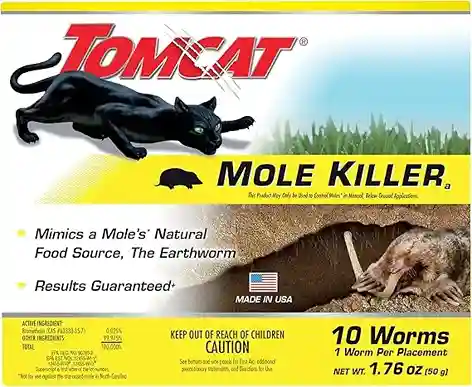
Read this before you buy: Tomcat Mole Killer worm bait is an American product. Its own product details refer to US states and US mole species. In Britain, published research reports that no poisons are currently approved for controlling moles. If moles are wrecking your lawn, the effective, legal and widely used option in the UK is a mole trap. We’ve listed the ones we recommend below.
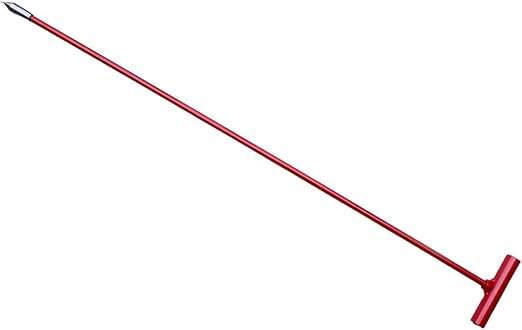
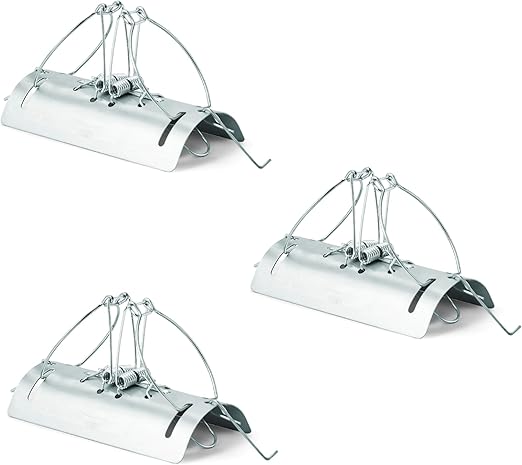
Best UK alternative: Duffus barrel tunnel mole traps (3-pack) | Also useful: a mole run probe to find the active tunnel
What is Tomcat Mole Killer worm bait?
Tomcat Mole Killer is a worm-shaped poison bait made by a US manufacturer. It’s designed to look and feel like an earthworm, a mole’s main food, and you drop it into tunnels. The product details on its listing are written for the American market. They mention species and states such as North Carolina, and say it can’t be shipped to Alaska, Hawaii, New York or Montana.
That matters for UK gardeners. Pest control products here have to be authorised for use in Great Britain. Mole poisons have a long history: strychnine was the traditional mole poison and was withdrawn in 2006. A 2016 review of British mole control published in the journal Animals found that “no poisons or chemical repellents are currently approved for use with moles.” So we can’t recommend buying an imported mole poison for use in a UK garden.
What actually works on moles in the UK
Professional mole catchers in Britain rely almost entirely on traps. Used properly, they’re fast, they work in all weathers, and they don’t put pets or wildlife at risk from poison. Here’s how to do it:
- Find the main tunnel, not the molehill. Molehills are spoil heaps. Probe the ground between two fresh hills with a mole run dibber until it suddenly drops. That’s the run.
- Pick a straight, active section. Flatten a few hills. Tunnels that are pushed back up within a day or two are in use.
- Wear gloves. Moles are sensitive to smell, and human scent on a trap can make them avoid it or block the tunnel.
- Set the trap in the run. Open a small hole, clear the tunnel, place the trap in line with it, then cover it to block out light.
- Check traps at least once a day. Move them if there’s no catch after two or three days.
Our recommended mole traps
| Trap | Best for | |
|---|---|---|
| Duffus barrel tunnel traps (3-pack) | Beginners. The tube sits in the run and is easy to set and check. | View → |
| RatKil Claw mole traps (3-pack) | Deeper runs and heavier soils. Scissor-style jaws. | View → |
| Pest-Stop tunnel mole trap | A single trap for a small lawn or a single mole. | View → |
| Mole run dibber probe | Finding the active run before you set any trap. | View → |
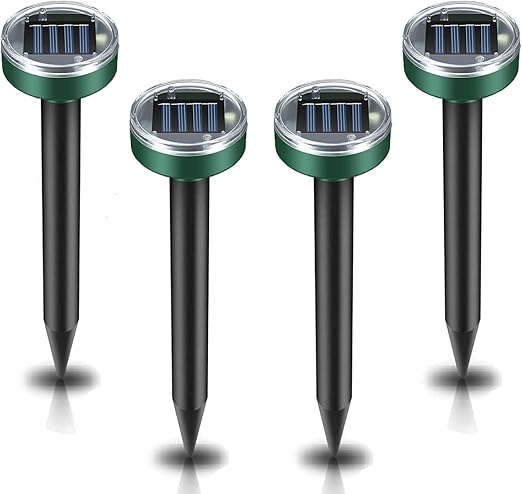
Ultrasonic and solar mole stakes are popular, but the evidence that they actually drive moles away is mixed. Treat them as a deterrent to try once the moles have gone, not as a way of getting rid of an active mole.
Frequently asked questions
Can you buy Tomcat Mole Killer in the UK?
Imported listings do appear on marketplaces, but Tomcat Mole Killer is a US product made for the American market. Published research reports that no mole poisons are currently approved for use in Britain, so we recommend traps instead.
Is there a legal mole poison in the UK?
Not one for home gardeners. Strychnine was withdrawn in 2006, and a 2016 review reported that no poisons or chemical repellents are approved for use against moles. Professionals may use specialist gassing methods under strict controls, but these aren’t available to the public.
Is it legal to trap moles in the UK?
Yes. Moles aren’t a protected species, and trapping is the standard control method. Use traps responsibly, check them at least once a day, and keep them away from children and pets.
What’s the best time of year to trap moles?
Molehills appear most from autumn through to spring, when the soil is soft. Mole activity peaks in late winter and early spring during the breeding season, which is often the easiest time to catch them.
How do I know when the mole has gone?
Flatten every molehill and watch for a week. If no new hills appear and the runs stay down, the mole has been dealt with.
Related guides
Source: Baker, S.E. et al. (2016), “Moles and Mole Control on British Farms, Amenities and Gardens after Strychnine Withdrawal”, Animals 6(6):39. Pest Eliminator is an affiliate site. If you buy through our links we may earn a small commission at no extra cost to you.

Reviews
There are no reviews yet.